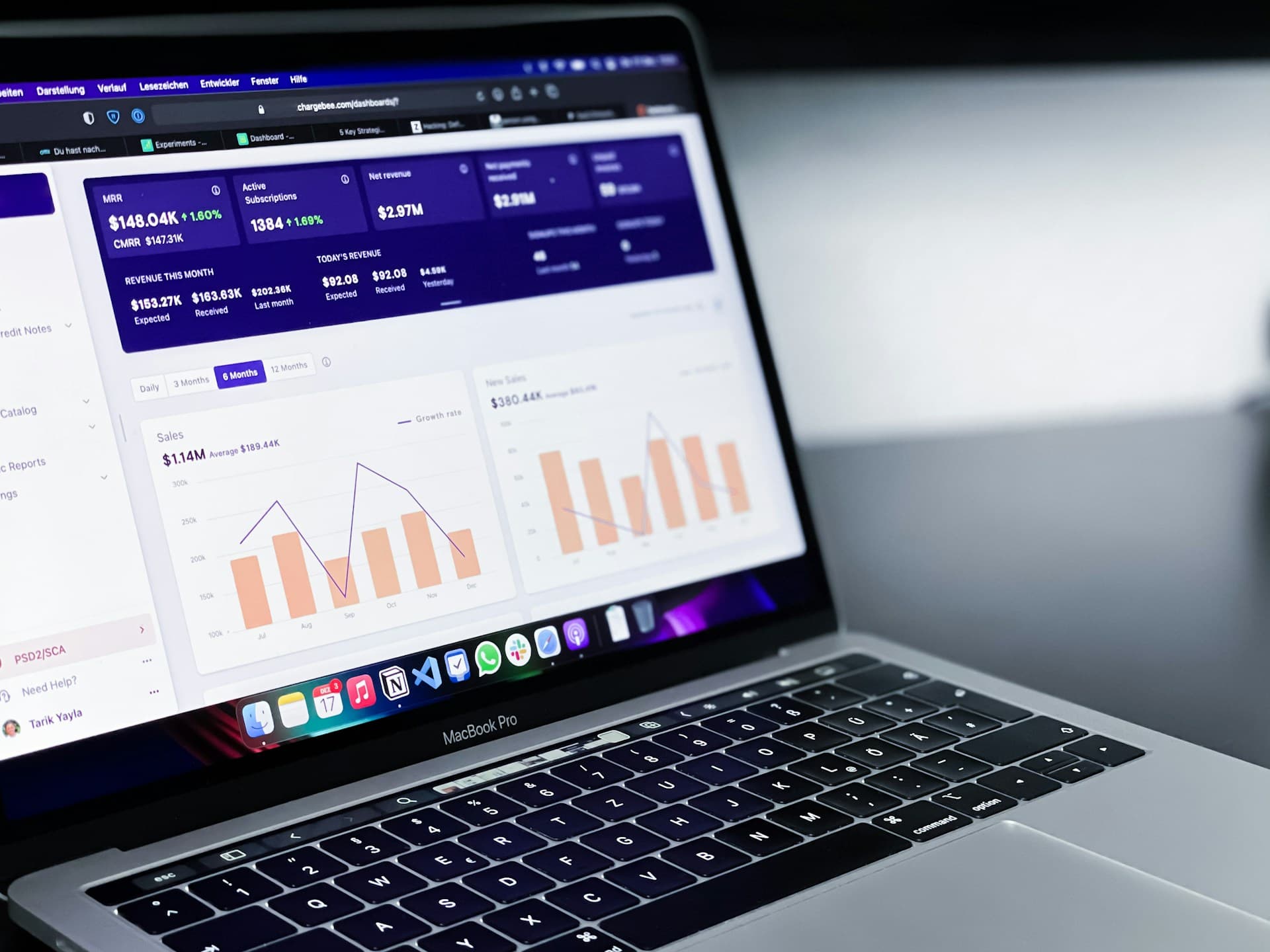
Why retailers are turning to AI automation
Retail runs on thin margins and thinner patience — customers expect the right product, in stock, at the right price, the moment they look for it. Meeting that expectation manually, across dozens of stores and channels, simply doesn't scale. That's why more retailers are turning to AI-driven automation: not as a novelty, but as the only practical way to keep operations accurate as the business grows.
The shift isn't about replacing every human decision with a model. It's about removing the repetitive, data-heavy work — demand forecasting, restocking, pricing adjustments — so teams can focus on merchandising, service, and strategy instead of spreadsheets.
Where automation creates the most value
Inventory forecasting is usually the first win. Machine learning models that ingest historical sales, seasonality, and local events consistently outperform static reorder rules, cutting both stockouts and overstock.
Dynamic pricing is close behind — automatically adjusting prices within guardrails based on demand, competitor movement, and inventory age protects margin without constant manual monitoring.
On the customer-facing side, personalized recommendations and AI-assisted support handle the volume of routine interactions, freeing staff to step in for the moments that actually need a human touch.
Common pitfalls when automating retail platforms
The most frequent mistake is automating on top of messy data. A forecasting model is only as good as the sales, inventory, and catalog data feeding it — cleaning that foundation first pays off far more than tuning the model itself.
The second is rolling out automation everywhere at once. Retailers that succeed usually start with one high-friction workflow, prove the impact, and expand from there rather than attempting a full platform overhaul in one go.
A practical path to implementation
A working approach looks like this: audit the data sources you already have, pick one workflow with clear, measurable pain (stockouts, markdown losses, support ticket volume), automate it end-to-end, and measure the result before expanding scope.
Done this way, AI automation stops being a research project and becomes a series of concrete, compounding improvements — which is ultimately what makes it stick.
Want results like these?
Talk to the team that builds this kind of software every day.